Maryland Under the Gun (1861): Federal Hill, Ex parte Merryman and Arrested Lawmakers
Click to load the video from YouTube (privacy-enhanced mode). Or watch on YouTube ›
In 1814, Francis Scott Key watched the British bombard Fort McHenry and wrote "The Star-Spangled Banner." Forty-seven years later, in September 1861, his grandson Frank Key Howard woke up a prisoner inside that same fort, and looked out at the flag. "On that day, forty-seven years before," he wrote, "my grandfather … had witnessed the bombardment of Fort McHenry."
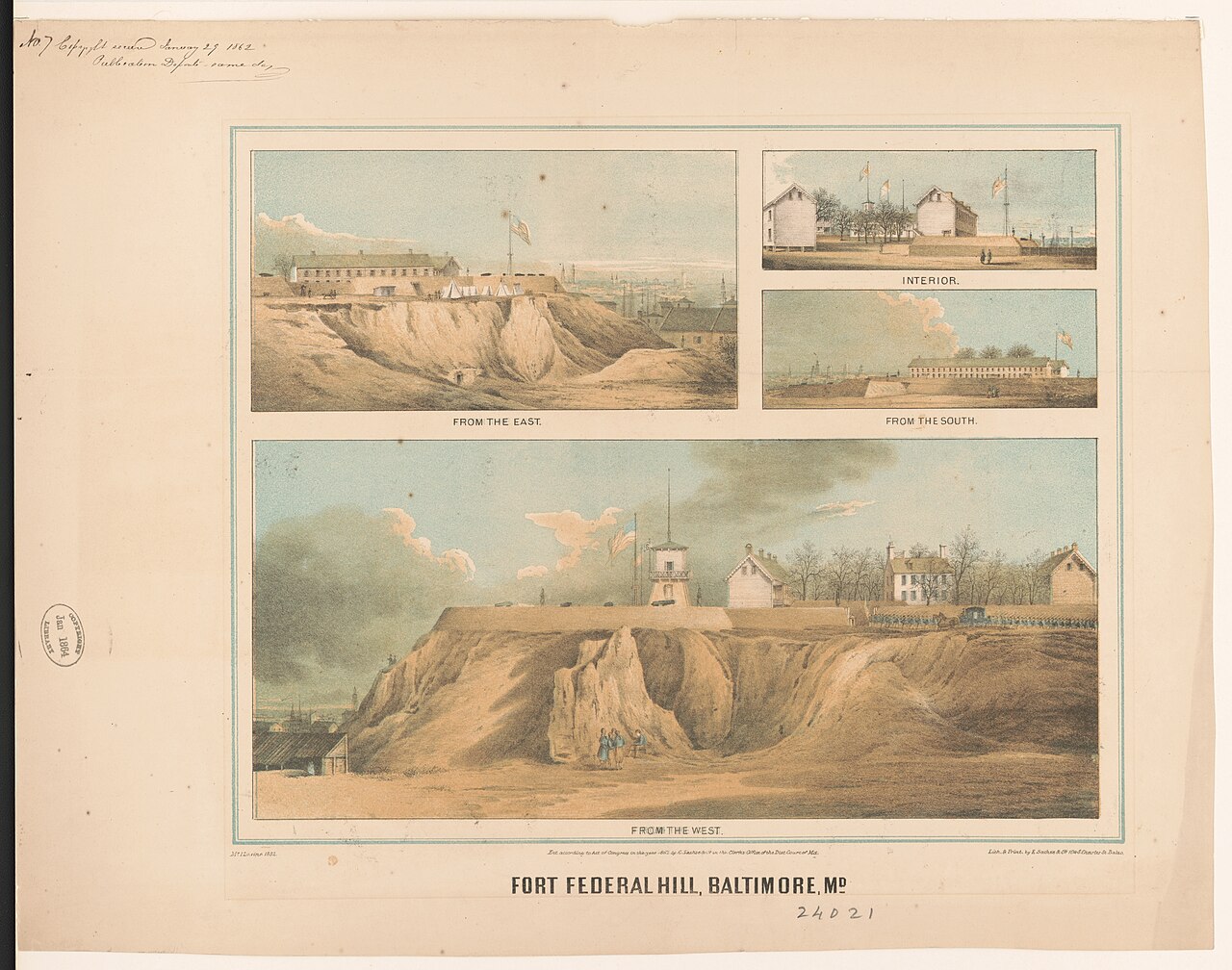
After the Baltimore riot of April 1861, Maryland was the problem Lincoln could not afford to lose. It was a slave state, split down the middle, and it wrapped around Washington on three sides. If Maryland seceded, the capital went with it.
On May 13, General Benjamin Butler moved about a thousand men into Baltimore without asking permission, among them five hundred of the same Sixth Massachusetts the mob had attacked twenty-four days before. They took Federal Hill in a violent thunderstorm and stood to arms all night, waiting for a riot that never came. By daylight, Union cannon looked down on the city. General Winfield Scott was not pleased ("Issue no more proclamations," he wired) and pulled Butler out. Lincoln promoted him to major general.
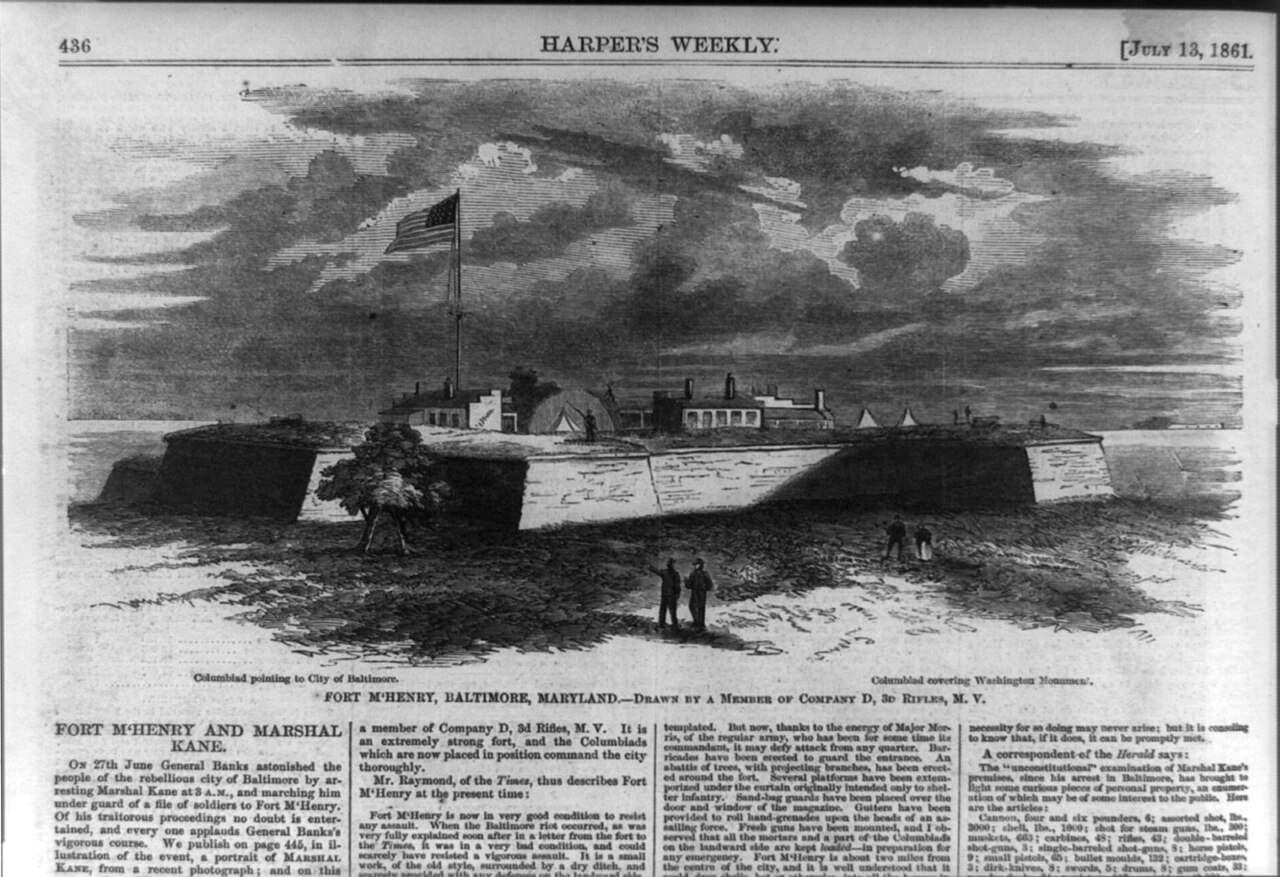
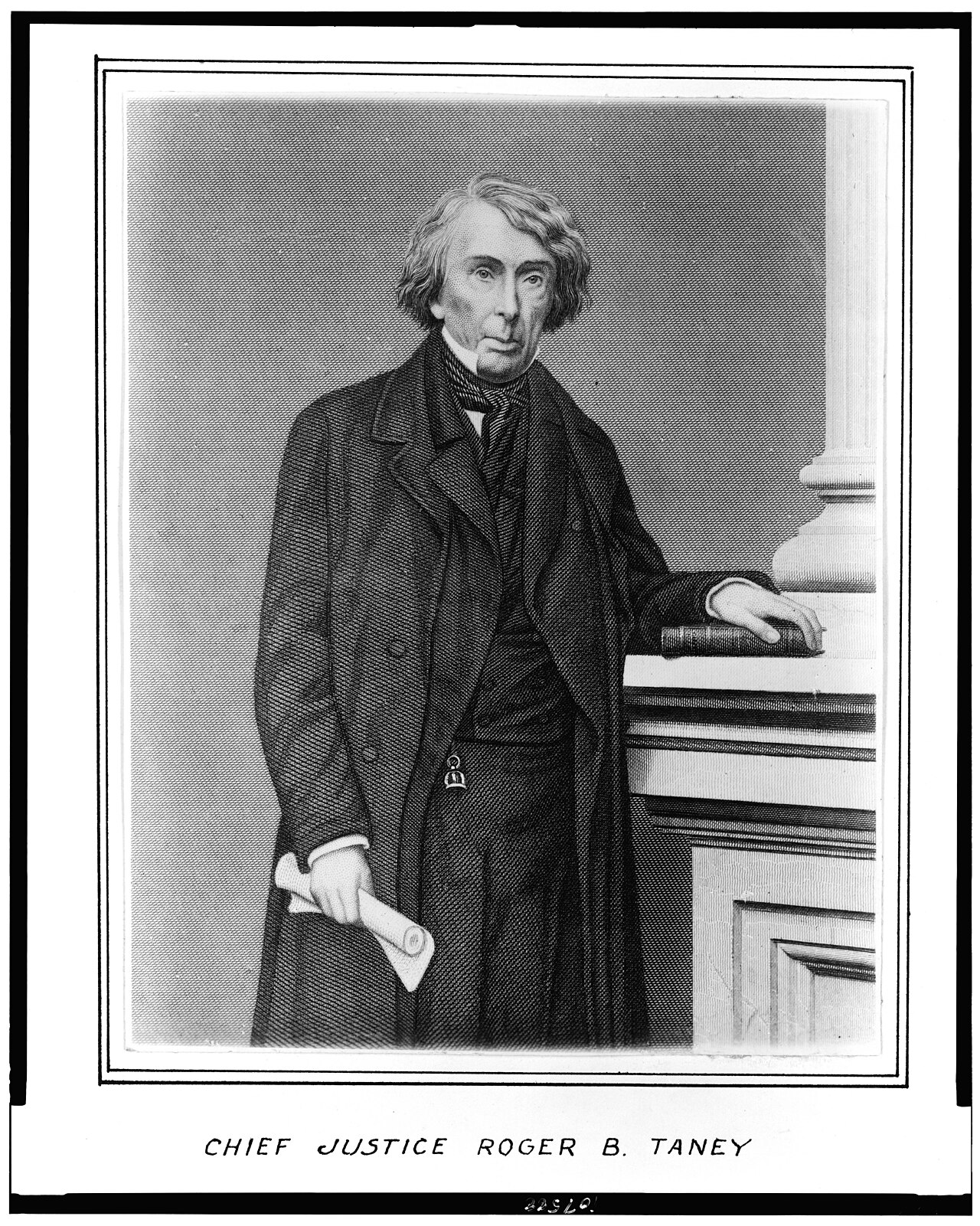
At about two in the morning on May 25, soldiers woke John Merryman at his farm north of Baltimore. He was a lieutenant in a county cavalry troop that had burned railroad bridges in April, and he was locked inside Fort McHenry. His lawyers went to Chief Justice Roger Taney, author of the Dred Scott decision and Key's brother-in-law. When the fort's commander refused to produce Merryman, citing the President's suspension of habeas corpus, Taney sent a marshal to arrest the general. The marshal was turned away at the gate. Taney ruled that only Congress could suspend the writ, and remarked that he might be locked in Fort McHenry himself. On July 4, Lincoln answered: "Are all the laws, but one, to go unexecuted, and the government itself go to pieces, lest that one be violated?"
The arrests kept coming. Baltimore's police marshal, George Kane, was taken from his home on June 27, and the police commissioners soon after; their board president, Charles Howard, was married to Key's daughter. In September, Secretary of War Simon Cameron ordered that any act of secession by the legislature "must be prevented," and more than two dozen lawmakers were seized, along with Baltimore's mayor, a congressman and Howard's son, the newspaper editor Frank Key Howard. Merryman was charged with treason and never tried. Maryland never seceded. Whether Lincoln had kept the Constitution, Americans argued for the rest of the war.
Further reading
- Baltimore and the Nineteenth of April, 1861: A Study of the War, by George William Brown
- Butler's Book: Autobiography and Personal Reminiscences of Major-General Benj. F. Butler, by Benjamin F. Butler
- Fourteen Months in American Bastiles, by Frank Key Howard
As an Amazon Associate I earn from qualifying purchases.
Sources
- Federal Judicial Center, "Ex parte Merryman"; John Merryman's habeas corpus petition and Roger B. Taney's opinion in Ex parte Merryman (1861)
- Abraham Lincoln, Message to Congress in Special Session, July 4, 1861 (Collected Works of Abraham Lincoln)
- The War of the Rebellion: Official Records of the Union and Confederate Armies, Ser. I, vols. 2 and 5
- Carl B. Swisher, Roger B. Taney (1935)
- Maryland State Archives
- National Park Service, Fort McHenry National Monument and Historic Shrine; Smithsonian National Museum of American History, The Star-Spangled Banner
- Dred Scott v. Sandford (1857): National Archives, Library of Congress and Cornell Law School LII
- Homer B. Sprague, History of the 13th Infantry Regiment of Connecticut Volunteers (1867); 64 Parishes (Butler in New Orleans)